

Where to Submit Short Fiction: A Guide for Expats in the Netherlands
You have finished the story. You have read it aloud, cut the last paragraph, put it back, cut it again. Now comes the part nobody warns you about: finding the right home for it while you are also figuring out how to register with a huisarts, decode Dutch directness, and explain to your family back home why it rains sideways in November. Submitting short fiction from the Netherlands is not harder than submitting from anywhere else, but it is different. You sit between two literary worlds, and that position is a genuine advantage if you know where to send your work.
Why Submit Your Short Fiction from the Netherlands?
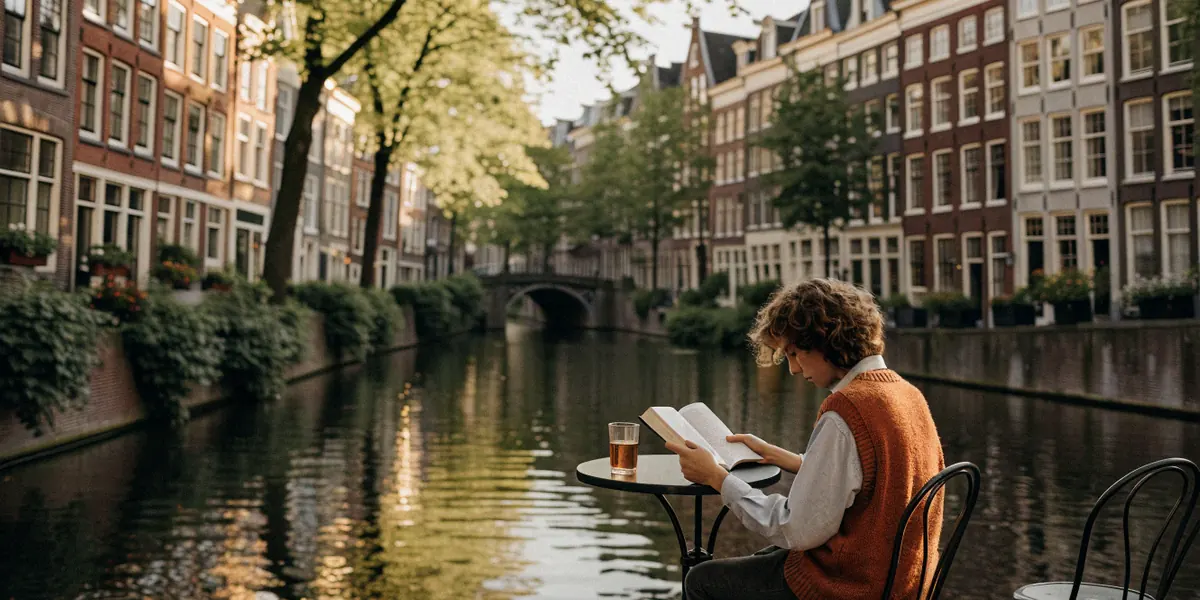
Living abroad changes what you notice. The bike bell behind you, the way Dutch colleagues say exactly what they mean, the strange grief of missing a language you did not realise you were attached to. That material is yours, and editors are hungry for it. Expat life in the Netherlands gives you access to Dutch publications that publish in English and to international magazines that read submissions from anywhere. Most of them accept simultaneous submissions, which means one story can travel further than you think.
Access to English-Language Markets
The Netherlands has a surprisingly deep bench of English-language literary publishing. Because so much of Dutch professional and academic life runs in English, journals here are used to reading work by non-Dutch writers. You do not need to translate your fiction into Dutch to be published in Amsterdam. You do need to read the journals before you submit, which is the same rule that applies everywhere.
Building a Writing Community in the Netherlands
Creative writing in the Netherlands is more social than it looks from the outside. There are open mic nights in Amsterdam and Utrecht, expat writing groups that meet in cafés, and workshops run through libraries and cultural centres. The Dutch Foundation for Literature supports literary translations and events, which means readings and festivals often feature international voices alongside Dutch ones. Showing up to those events is the fastest way to hear about calls for submissions before the deadline panic sets in.
Dutch Literary Magazines and Platforms for English Writers
Start local. Dutch-based journals are smaller than the international giants, which means your story is read by an actual editor rather than a slush pile algorithm, and response times are often measured in weeks rather than months.
Literary Journals Based in the Netherlands
- The Amsterdam Review is an English-language literary magazine based in Amsterdam, publishing fiction, poetry, and essays from writers in the Netherlands and beyond.
- Versal is a literary journal published in Amsterdam that features international writers, with a strong record of publishing work in translation and English-language fiction.
- The Dutch Review of Books focuses on criticism and essays but regularly works with English-language writers based in the Netherlands, and it is a useful contact point for the wider literary scene.
These journals are competitive, but they are also approachable. Read two or three issues, note the length and tone of the flash fiction and short stories they publish, and pitch accordingly.
Online Platforms and Zines
Beyond the established journals, the Netherlands has a lively zine culture and a growing number of online platforms that publish flash fiction and experimental work. University literary magazines in Leiden, Utrecht, and Groningen often open submissions to non-students. These outlets pay little or nothing, but they build your publication list and put your name in front of editors who remember it later.
International Markets Open to Expat Writers
Your Dutch address is not a barrier to international publication. Most major magazines accept submissions from anywhere, and a story set in Rotterdam or written from a canal-side apartment reads as fresh rather than foreign.
Top-Tier International Magazines
The New Yorker, Granta, and The Paris Review all accept unsolicited submissions, though the odds are long and the wait can stretch to several months. Treat them as lottery tickets you buy with a polished story, not as your only plan. The same applies to outlets like The Atlantic and Harper’s. Send your best work, then keep sending it elsewhere in the meantime.
Niche and Genre Publications
This is where most of us actually get published. Literary magazines with a regional or thematic focus, genre journals for speculative fiction, crime, and romance, and small presses with annual anthologies are far more open to new voices. Many of them actively seek work about migration, displacement, and life between cultures, which is exactly the territory expat writers occupy. If you write flash fiction, the niche market is enormous, with hundreds of journals publishing pieces under 1,000 words.
Contests and Anthologies for Short Fiction
Contests give you a deadline, which is the only writing prompt that reliably works. They also give you a clear answer: shortlisted, longlisted, or not this time.
Annual Short Story Contests
- The Bath Short Story Award is a prestigious international contest open to expats, with a modest entry fee and a strong reputation among literary agents and editors.
- The Bristol Short Story Prize accepts entries worldwide and publishes an annual anthology of the shortlisted stories.
- The Fish Publishing Prize, based in Ireland, runs short story, flash fiction, and poetry categories and is well known for publishing emerging writers.
There are also Dutch and Benelux-based competitions, often run by libraries, universities, and literary festivals, that welcome English-language entries. Watch the websites of Dutch cultural organisations and the Dutch Foundation for Literature for announcements.
Anthologies Seeking Expat Voices
Anthologies are the quiet workhorses of expat publishing. Editors assembling collections on migration, belonging, and life in Europe frequently put out open calls for short stories and essays. These calls circulate through writing groups, university mailing lists, and social media, and they often have smaller submission pools than contests. A story that was rejected by three magazines can find a perfect home in an anthology with a theme that fits it exactly.
Practical Tips for Submitting from the Netherlands
The mechanics of submitting are the same wherever you live, but a few habits make the process less chaotic when you are juggling Dutch bureaucracy and a day job.
Formatting and Cover Letters
Follow the guidelines on the journal’s website exactly. Standard manuscript format still works: a readable font, double spacing, your name and contact details on the first page, and a word count. For flash fiction, keep the document clean and simple. Your cover letter should be three or four sentences: the title, the word count, one relevant publication credit if you have one, and a thank you. Do not summarise the plot. Editors read the story, not the pitch.
Tracking and Simultaneous Submissions
Duotrope and The Submission Grinder are popular tools for tracking submissions, and both are worth the time it takes to set up an account. They log response times, acceptance rates, and payment details, which stops you from submitting blind. Keep a simple spreadsheet as backup with the journal name, date sent, expected response window, and status. Most literary magazines accept simultaneous submissions, meaning you can send the same story to several places at once, provided you withdraw it immediately if it is accepted elsewhere. Always check the guidelines first, because a few outlets still ask for exclusive submissions.
How Our Team Approaches Submissions
We have been submitting short fiction from the Netherlands for years, and our process has changed more than our writing has. Early on, we sent stories to whichever magazine we had heard of, usually the biggest names, and collected rejections like stamps in a passport. What worked better was narrowing down: reading the journals we actually admired, matching our flash fiction to outlets that published flash fiction, and treating every rejection as information rather than a verdict.
Our Favorite Dutch Markets
We keep returning to The Amsterdam Review and Versal because they understand work written from a position between cultures, and because their editors respond like humans. The Dutch Review of Books has been a good home for essay-length work connected to our fiction. Locally, the reading nights and small zine launches have led to more publication opportunities than any cold submission.
Lessons from Rejections
The most useful lesson: a rejection usually means the fit was wrong, not that the story failed. We have had stories rejected by six journals and then accepted by a seventh within a week. We have also learned to write our own writing prompts when motivation runs dry, using overheard Dutch conversations, cycling routes, and the specific loneliness of a Sunday in a new city. Those prompts have produced some of our most-published pieces.
Frequently Asked Questions
Can I submit short stories in English while living in the Netherlands?
Yes. Dutch publications such as The Amsterdam Review and Versal publish English-language work, and international magazines accept submissions from anywhere. Your address does not limit where you can submit.
Do Dutch literary magazines pay for short fiction?
Some do, many do not. Larger journals and anthologies often offer small honoraria, while zines and university magazines typically publish without payment. Always check the guidelines before submitting.
What is the best way to track my submissions?
Use Duotrope or The Submission Grinder to log deadlines, response times, and acceptance rates, and keep a personal spreadsheet as a backup. This makes simultaneous submissions manageable.
Are simultaneous submissions acceptable in the Netherlands and internationally?
Most literary magazines accept simultaneous submissions as long as you withdraw your story immediately if it is accepted elsewhere. A small number request exclusive submissions, so read the guidelines carefully.
Where can I find writing prompts for short fiction and flash fiction?
We publish writing prompts on this site, and we recommend using everyday details from expat life in the Netherlands as raw material. Local writing groups and open mic nights are also good sources of prompts and feedback.
Persistence and community matter more than any single acceptance. Keep writing, keep using writing prompts when the well runs dry, and keep submitting short stories and flash fiction to the Dutch and international markets that fit your voice. The right editor is out there, reading.